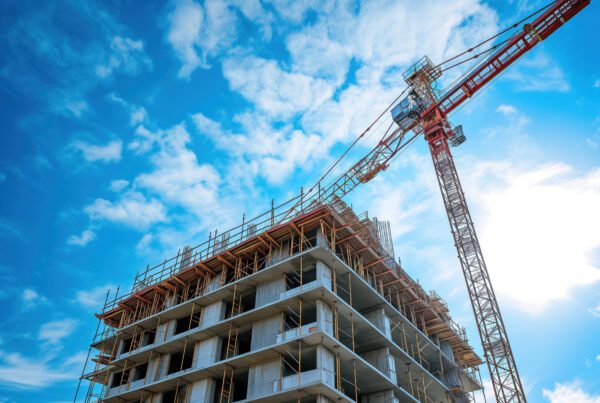

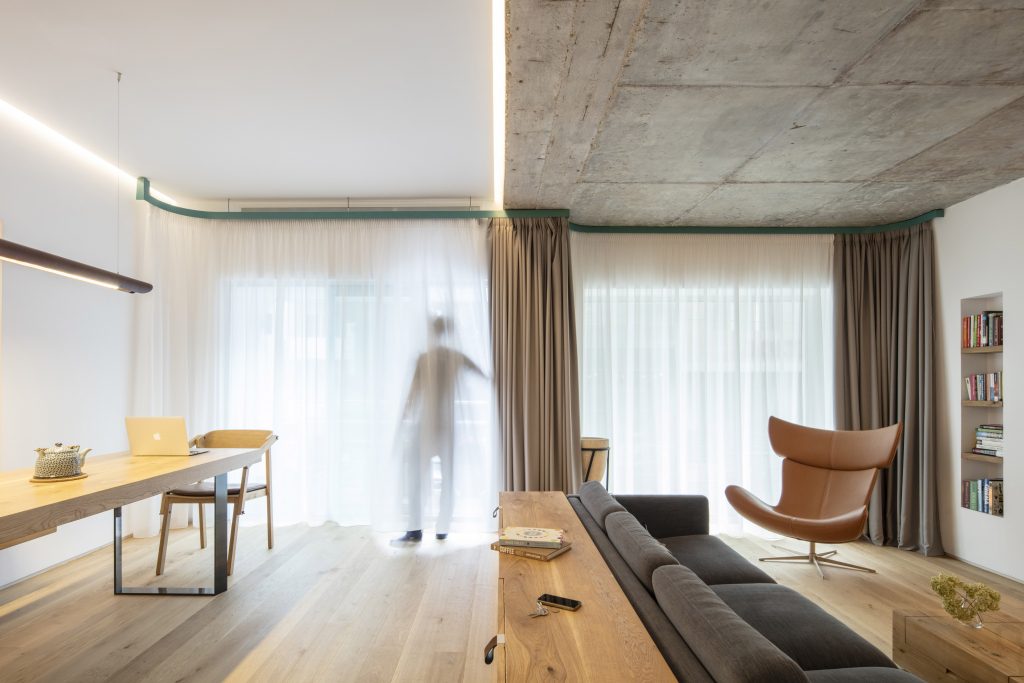

Although there are environmental merits of retrofitting a building versus demolishing one, there are some important considerations when sourcing building warranties for conversion schemes.
Refurbishments and fit-out works on existing buildings are a popular choice for developers and property professionals, especially in areas of regeneration and in light of the changing face of the traditional high street.
A conversion building warranty is designed for properties being converted from one use to another, including commercial-to-residential schemes.
Retained structures, previous building use and the quality of available technical information can all influence insurer appetite and underwriting requirements.
Moreover, with a hardening insurance market and limited levels of available capacity across the board, underwriters have become more selective with the risks they offer terms on.
Some of the key considerations for insurers include:
Insured Values
If the existing structure value is equal to or in excess of the value of the new works, insurers often decline to offer cover for the project.
The insurer wants to be insuring new works, not an old building where they have little to no insight into its structural integrity.
Underwriter Appetite
If an underwriter has stipulated that their binder doesn’t allow for conversion projects, no matter how big, important or impressive the developer is, it’s a wasted conversation.
Knowing the market is vital.
Inherent Risk
Unlike new build projects, where there is a gradual increase in risk throughout, conversion and refurbishment projects have an established but often unknown quantity of risk in the form of the existing structure.
Understanding a building’s history, previous use and having a structural engineer’s report to hand will see you well placed to alleviate some of an underwriter’s immediate concerns.
Merits of Working with Conversion Building Warranty Specialists
Typically, we will talk about being a whole-of-market broker, having greater access to markets and deeper relationships.
However, it’s important to caveat that by saying that we don’t take every risk to every insurer. We take the right projects to the right insurers.
The precursor to doing that well is having all of the key relationships and knowing which underwriters want to write which type of cases.
This saves developers vast amounts of time, not to mention results in sets of terms that are sensible because the underwriter is looking at a risk within their appetite.
Conversions, as outlined above, come with their own set of rules when it comes to underwriting, so having an advisor on hand who knows the rules and rule makers enables a developer to keep building knowing the right insurance is in place.
Conversions sit within the wider structural warranty market, but they are not assessed in the same way as straightforward new-build developments.
Selecting a provider with suitable experience of retained structures can reduce avoidable technical and programme issues.
If you have a scheme you wish to discuss, call us on 020 3096 0718.